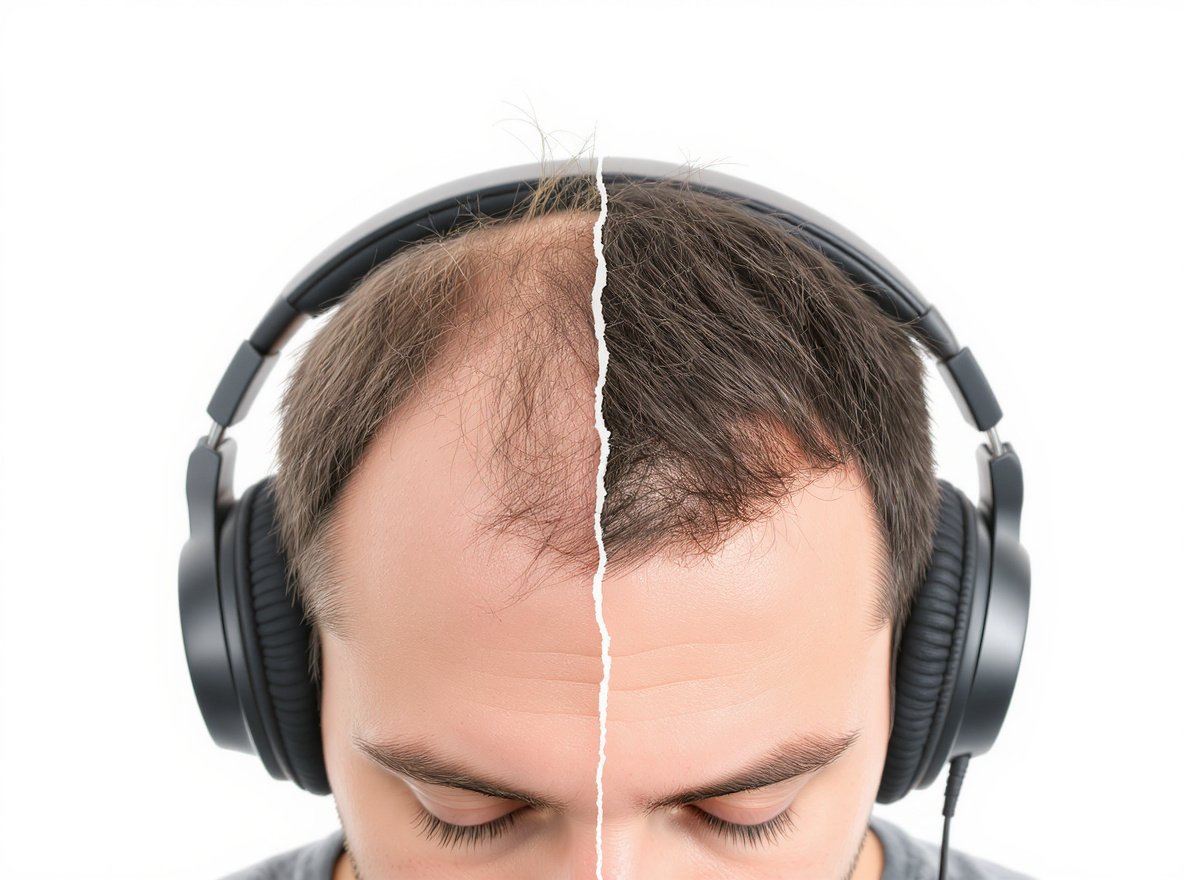
With the average person now spending 18.5 hours per week wearing headphones, concerns about hair damage have skyrocketed among music lovers, gamers, and remote workers. Your expensive perm or thinning hairline could be at serious risk from daily headphone use.
Headphones can cause traction alopecia (hair loss from pressure) and permanently damage perms during the critical 48-72 hour setting period. However, choosing bone conduction headphones, wireless earbuds, or implementing proper usage techniques can protect your hair while maintaining excellent audio quality.
Discover the science behind headphone hair damage and learn proven strategies to safeguard your locks without sacrificing your audio experience.
Does Wearing Headphones Actually Cause Hair Loss?
Many professionals worry that their daily headphone routine might be silently damaging their hairline, especially those working 10+ hour days in audio-intensive careers.
Yes, headphones can contribute to hair loss through traction alopecia, but it primarily affects individuals wearing tight-fitting headphones for extended periods daily. This mechanical hair loss follows predictable patterns along headphone contact areas and is reversible if caught early.
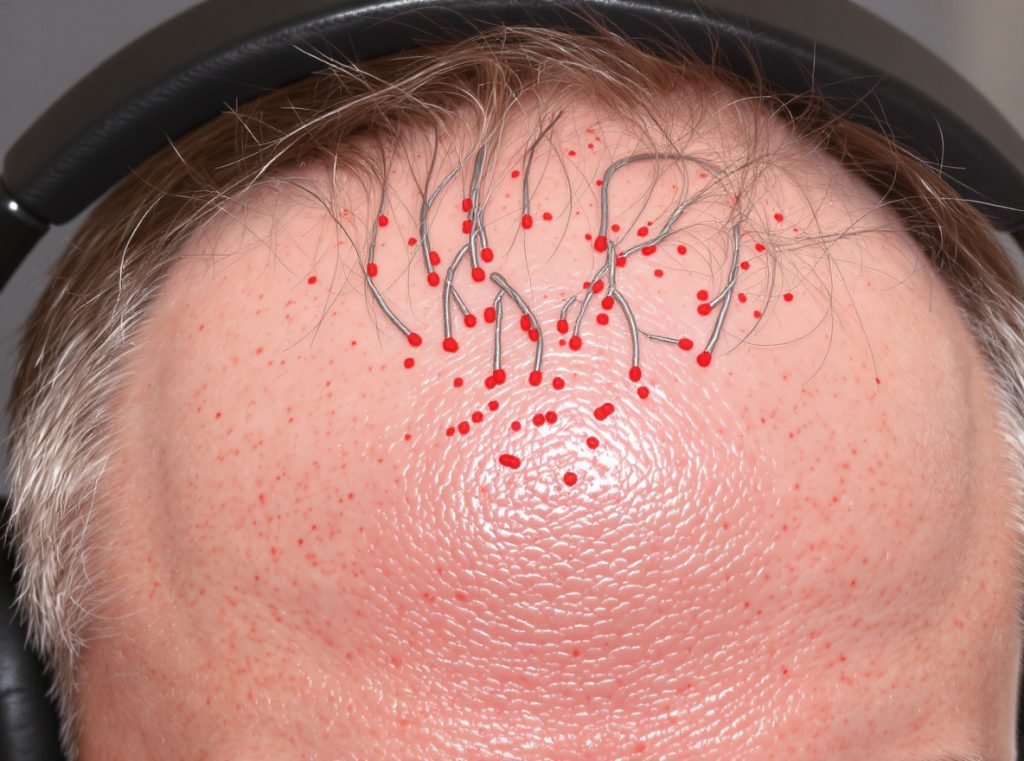
Understanding the mechanisms helps you recognize and prevent damage:
Traction Alopecia Development
Traction alopecia occurs when continuous tension or pressure weakens hair follicles over time. Unlike genetic male pattern baldness, this condition creates symmetrical hair loss following the exact headphone band placement across your scalp.
Pressure Point Damage
Tight headphones create concentrated pressure points that reduce blood flow to hair follicles. This decreased circulation limits oxygen and nutrient delivery, gradually weakening the follicular structure and making hair more prone to breakage.
The 10+ Hour Risk Zone
Professional gamers, streamers, radio hosts, and remote workers face the highest risk due to extended daily usage. The combination of duration and pressure creates the perfect conditions for mechanical hair stress.
| Risk Factor | Impact Level | Daily Usage Threshold |
|---|---|---|
| Tight clamping force | High | Any duration |
| Extended wearing time | Medium | 10+ hours daily |
| Heavy headphone weight | Medium | 6+ hours daily |
| Poor fit adjustment | High | 4+ hours daily |
Early intervention through proper headphone selection and usage modification can completely reverse traction alopecia damage.
Can Headphones Damage or Ruin Your Perm?
Fresh perms represent a significant investment in time and money, making protection during the vulnerable setting period absolutely crucial for maintaining your desired curl pattern.
The first 48-72 hours after getting a perm are critical – wearing traditional headphones during this period can permanently flatten curls and disrupt chemical bonds that are still stabilizing. Pressure during this window can create irreversible damage to your curl formation.
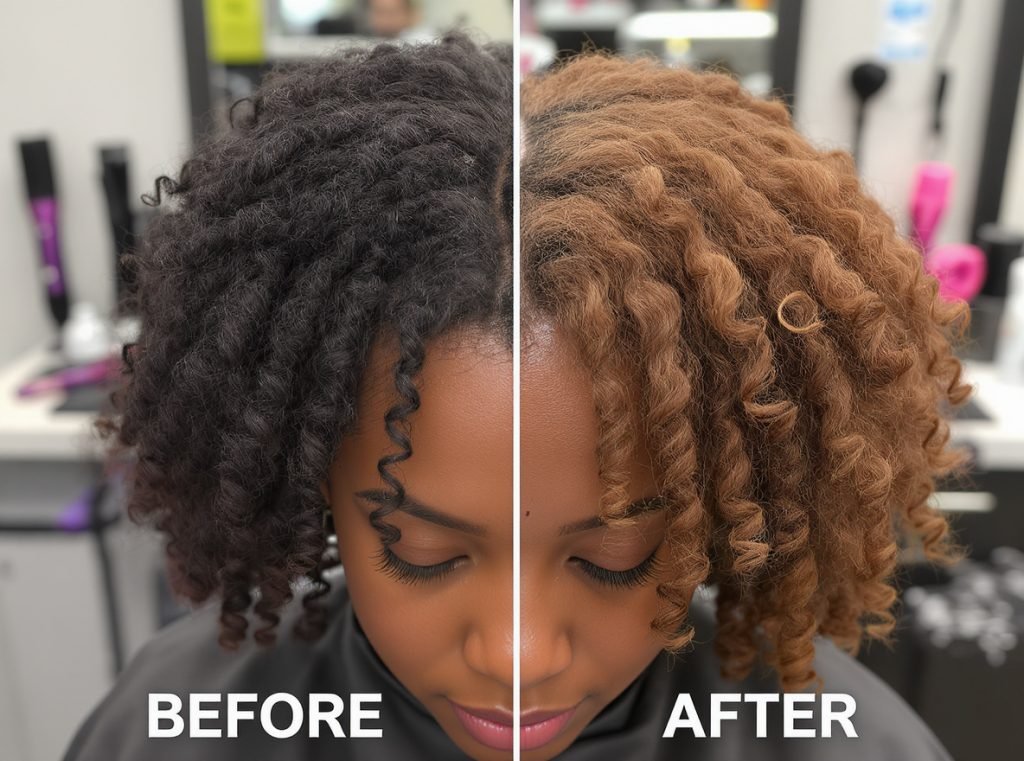
The chemistry behind perm vulnerability reveals why timing matters:
Chemical Bond Restructuring
Perms work by breaking disulfide bonds in your hair using ammonium thioglycolate, then reforming them in new curl patterns. During the initial 72-hour neutralization phase, these bonds remain extremely malleable and responsive to physical pressure.
Pressure-Induced Deformation
Traditional over-ear and on-ear headphones create compression zones that function like physical curl crushers. The sustained pressure essentially reprograms your hair’s molecular structure before the chemical setting process completes.
Moisture and Heat Complications
Extended headphone wear traps heat and moisture against permed hair, potentially disrupting the delicate chemical balance needed for proper curl formation.
- Wait minimum 72 hours before using over-ear headphones
- Extend to 96 hours for tight curl patterns or resistant hair types
- Choose bone conduction alternatives for immediate audio needs
- Avoid any sustained pressure on newly permed sections
Hair professionals universally recommend this waiting period to ensure your perm investment pays off with long-lasting, well-defined curls.
What Types of Headphones Are Safest for Hair?
Not all audio devices pose equal risks to your hair health. Understanding design differences helps you make informed choices that protect both your hairstyle and audio quality preferences.
Bone conduction headphones offer the ultimate hair protection by eliminating all contact with your hair and scalp, while wireless earbuds provide excellent safety with superior sound isolation. Traditional over-ear models present the highest risk for both hair loss and perm damage.
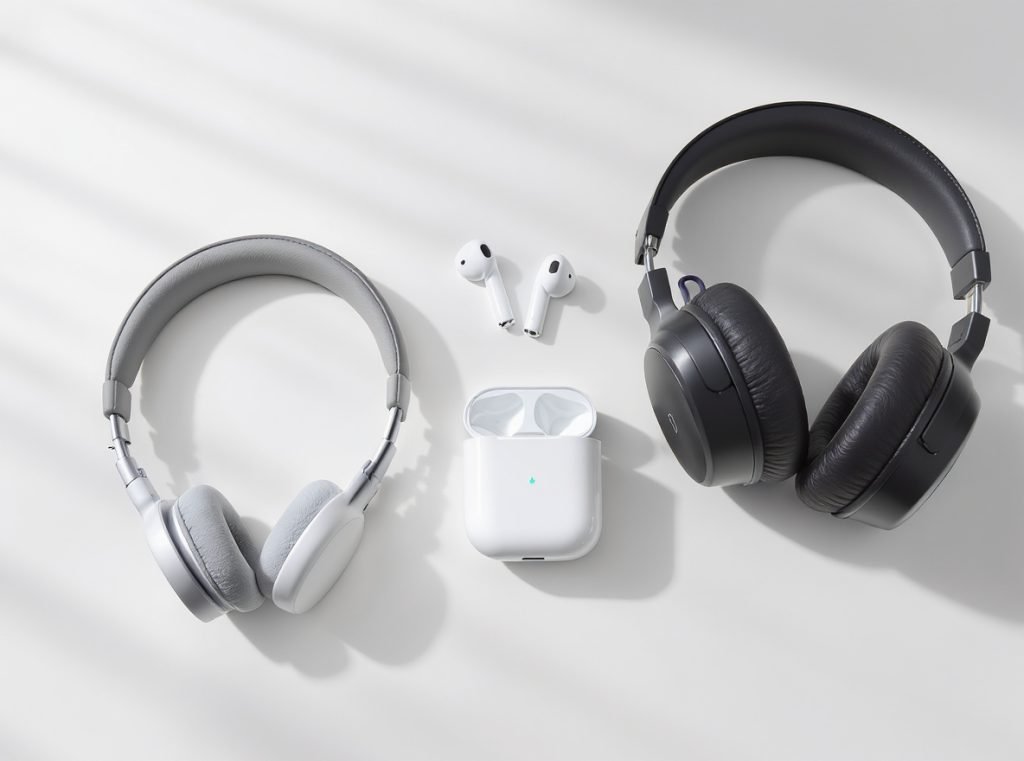
Bone Conduction: The Hair-Safe Gold Standard
These innovative devices transmit sound through cheekbone vibrations, completely bypassing ear coverage and hair contact. Benefits include zero pressure points, immediate post-perm safety, and complete situational awareness.
Wireless Earbuds: Minimal Impact Excellence
True wireless earbuds sit entirely within the ear canal, making absolutely no contact with hair or scalp surfaces. They offer excellent sound quality, noise isolation, and complete hair freedom.
Air Conduction Open-Ear Models
These represent advanced middle-ground solutions, delivering sound through air conduction while maintaining open-ear designs that minimize hair contact and pressure concentration.
| Headphone Type | Hair Safety Rating | Best Use Cases | Limitations |
|---|---|---|---|
| Bone Conduction | Excellent | Post-perm period, all-day wear | Limited bass response |
| Wireless Earbuds | Excellent | Professional calls, commuting | Battery life constraints |
| Air Conduction Open-Ear | Very Good | Active lifestyles, awareness needs | Moderate sound leakage |
| Lightweight On-Ear | Good | Short sessions, casual listening | Some pressure points |
| Heavy Over-Ear | Poor | Studio work only | High damage risk |
The key lies in matching headphone type to your specific hair needs and usage patterns.
How to Protect Your Hair While Using Headphones?
Smart headphone habits and strategic protective measures can dramatically reduce hair damage while maintaining your preferred audio setup and listening schedule.
Protect your hair by implementing the “rule of hours” (10-15 minute breaks every hour), adjusting headphone positioning regularly, using silk protective barriers, and choosing models with soft padding and proper weight distribution.
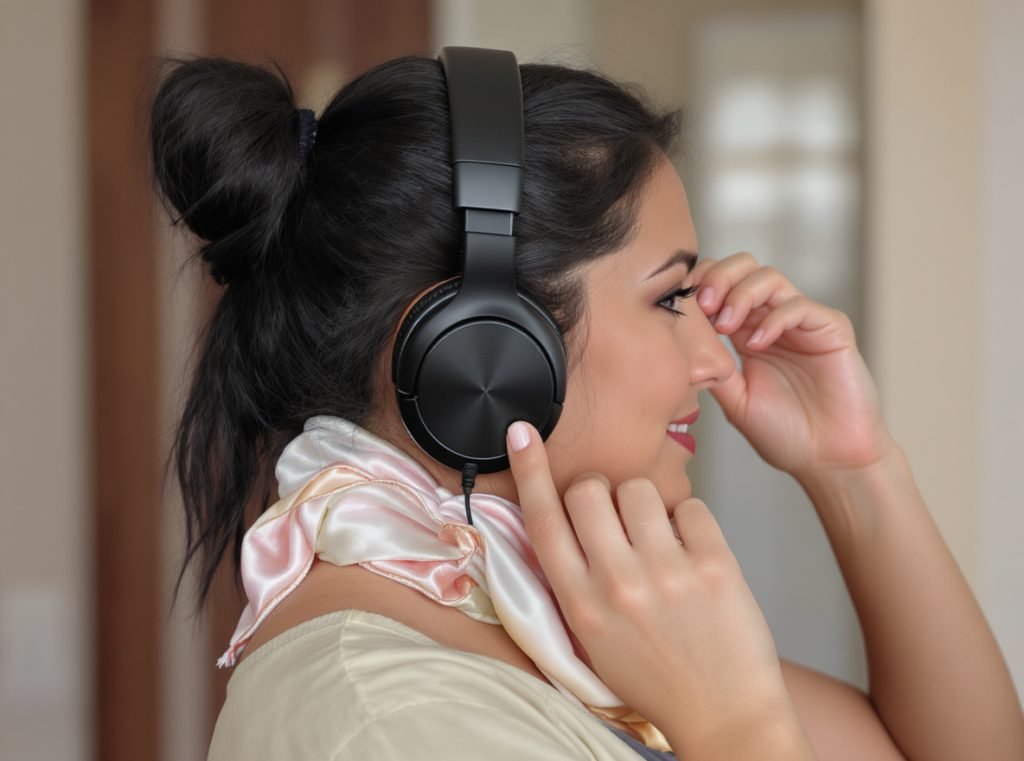
Strategic Positioning Techniques
Position headphone bands lower around the back of your head rather than across the crown area. This distributes pressure away from vulnerable hairline zones and reduces concentration on thinning areas.
Regular position adjustments every 30 minutes prevent sustained pressure on identical hair sections. Slight forward, backward, or side movements redistribute mechanical stress across broader scalp areas.
The Break Schedule System
- Remove headphones for 10-15 minutes every hour during extended sessions
- Allow blood circulation to return to normal pressure levels
- Massage scalp gently during breaks to stimulate follicular health
- Stretch neck and shoulder muscles to prevent tension buildup
Protective Barrier Methods
Place silk or satin scarves over hair before positioning headphones. The smooth material significantly reduces friction while creating a protective buffer between hair strands and headphone surfaces.
Professional audio engineers increasingly recommend rotation systems – using bone conduction for extended monitoring, wireless earbuds for critical listening, and reserving over-ear models for brief mixing sessions only.
Are There Specific Headphones Better for Permed Hair?
Permed and naturally curly hair requires specialized headphone considerations, focusing on designs that accommodate curl patterns while avoiding compression and deformation.
For permed hair, prioritize bone conduction headphones for immediate post-treatment use, followed by wireless earbuds and ultra-lightweight models with fabric headbands and minimal clamping force specifications under 300 grams total weight.
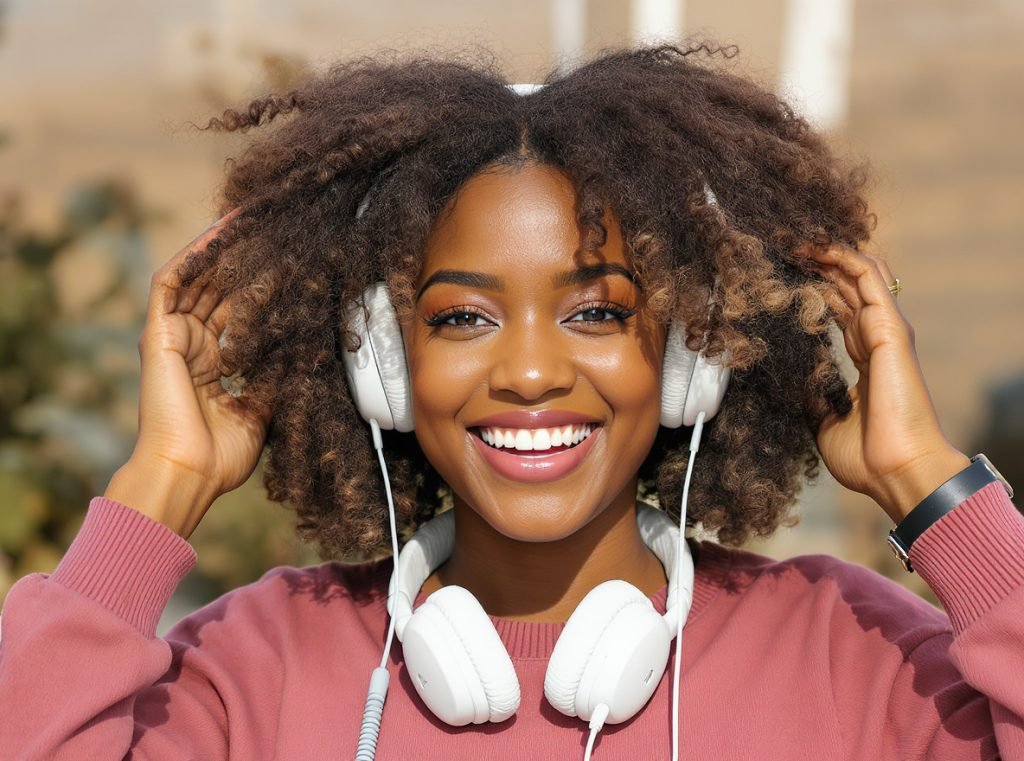
Curl-Compatible Design Features
Fabric-covered headbands move naturally with hair texture and create significantly less friction than leather or plastic alternatives. They also provide better moisture absorption, preventing damp conditions that can relax curl patterns.
Self-adjusting headbands automatically conform to head shape without requiring manual pressure adjustments. This eliminates the risk of over-tightening that commonly damages delicate curl structures.
Open-Back vs. Closed-Back Considerations
Open-back designs allow superior air circulation, reducing heat and moisture buildup that threatens perm longevity. They typically feature lighter construction, minimizing overall head pressure and curl compression.
- Seek models with replaceable, washable headband covers for hygiene
- Prioritize adjustable designs with multiple comfort points
- Choose professional audio brands emphasizing extended-wear comfort
- Look for perm-safe certifications or hair-friendly marketing claims
Professional Recommendations
Hair stylists increasingly recommend scheduling headphone purchases to align with perm maintenance cycles. Invest in protein treatments and bond-strengthening products that reinforce your hair’s restructured chemical bonds during the vulnerable setting period.
What Are the Warning Signs of Headphone Hair Damage?
Early detection of headphone-related hair damage enables prompt intervention before permanent follicular damage occurs, preserving both hair health and styling options.
Warning signs include symmetrical hair thinning along headphone contact zones, persistent scalp indentations after removal, small pimple-like bumps around follicles, tenderness or pain in pressure areas, and visible broken hairs following headband patterns.
Progressive Visual Indicators
Examine your hairline and crown area in bright lighting conditions. Look for thinning patches that directly correspond to headphone band placement, particularly at temples and across the skull’s upper regions.
The characteristic “fringe sign” appears as hair loss in specific headphone contact areas while retaining some frontal hairline coverage. This creates an unnatural pattern distinctly different from genetic balding progression.
Physical Sensation Changes
Monitor scalp sensitivity changes in headphone contact zones. Increased tenderness, burning sensations, or persistent itching after headphone removal indicates excessive mechanical stress requiring immediate habit modification.
Hair Quality Deterioration
Track texture changes in pressure-affected areas. Increased brittleness, split ends, or curl pattern loss in specific zones suggests ongoing mechanical damage from sustained headphone pressure.
| Warning Sign | Severity Level | Required Action |
|---|---|---|
| Scalp tenderness | Early | Reduce wearing time immediately |
| Visible thinning | Moderate | Switch to hair-safe alternatives |
| Persistent indentations | Advanced | Cease traditional headphone use |
| Pimple-like bumps | Severe | Consult dermatologist promptly |
Document progression with photos to track improvement after implementing protective measures or switching to hair-safe audio alternatives.
How Can Headphone Manufacturers Design Hair-Friendly Products?
Forward-thinking audio manufacturers increasingly recognize hair health as a critical comfort factor, driving innovation in materials, ergonomics, and user-customization features.
Manufacturers can create hair-friendly headphones through self-adjusting headband systems, ultra-lightweight carbon fiber construction, memory foam padding innovations, modular comfort components, and collaboration with hair care professionals for scientific validation.
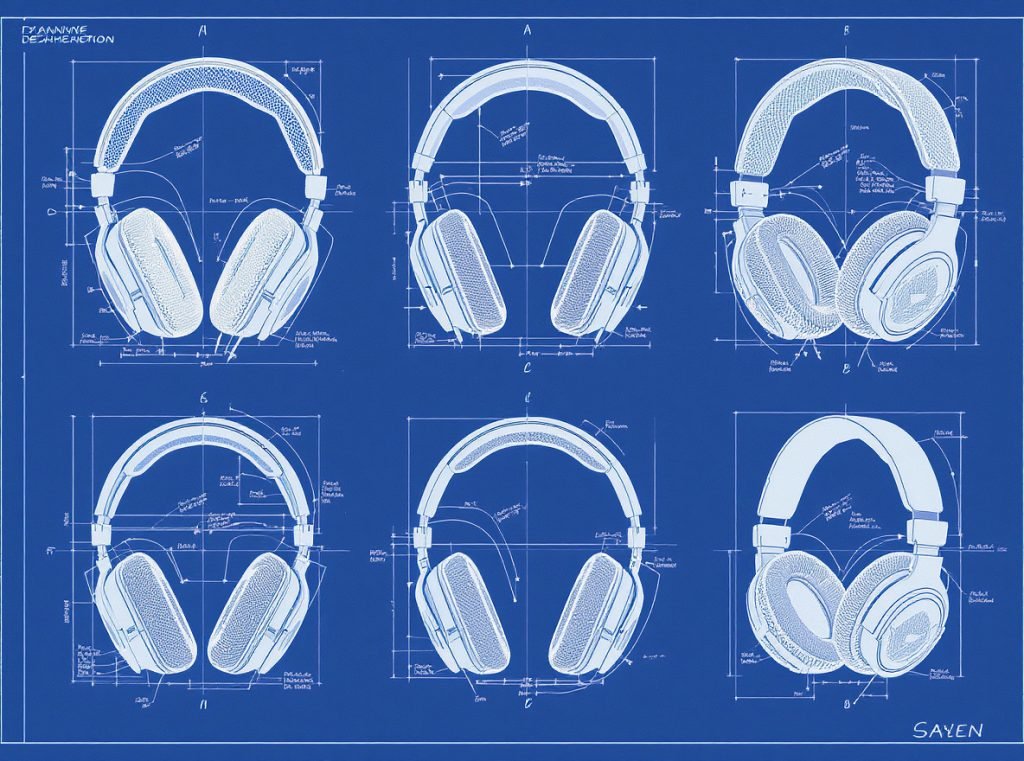
Advanced Material Innovation
Carbon fiber and advanced polymer construction dramatically reduce weight without sacrificing structural durability. Memory foam alternatives maintain shape longer while providing gentler, more consistent pressure distribution across broader scalp areas.
Suspension-style designs eliminate traditional headband pressure entirely, using wing-based support systems that distribute weight through alternative contact points away from vulnerable hair zones.
Smart Adjustment Technologies
Self-adjusting mechanisms automatically conform to individual head shapes without requiring manual tension settings. This eliminates user error in pressure calibration while ensuring optimal comfort for extended wearing sessions.
Modular Customization Systems
- Replaceable padding components for different hair types and sensitivity levels
- Interchangeable headband materials (fabric, silicone, memory foam)
- Adjustable clamping force specifications for user preference
- Seasonal comfort modifications for climate variations
Scientific Collaboration Approach
Progressive manufacturers partner with dermatologists, trichologists, and hair stylists to develop evidence-based hair safety certifications. This scientific validation builds consumer confidence while establishing industry standards for hair-friendly audio design.
At Osmarto, our manufacturing expertise enables custom headphone development with specific hair protection features for wholesale partners serving beauty, wellness, and professional audio markets requiring extended-wear comfort.
What’s the Future of Hair-Safe Audio Technology?
Emerging audio technologies promise revolutionary advances in personal sound delivery while completely eliminating traditional hair health concerns and pressure-related damage.
The future features AI-powered fit optimization systems, smart materials adapting to head shape and temperature, advanced bone conduction with improved bass response, and integration with augmented reality platforms eliminating traditional headphone form factors entirely.

Next-Generation Bone Conduction
Advanced bone conduction technology addresses current limitations in bass response and sound quality while maintaining complete hair safety benefits. Enhanced vibration algorithms deliver richer, more immersive audio experiences.
Artificial Intelligence Integration
AI algorithms analyze individual head measurements, pressure preferences, and usage patterns to optimize headphone fit automatically. Machine learning systems adapt to user feedback, continuously improving comfort and reducing hair stress.
Smart Material Revolution
Shape-memory alloys and intelligent polymers adjust firmness based on ambient temperature and wearing duration. These materials provide optimal pressure distribution while preventing long-term follicular damage.
- Biometric monitoring for real-time scalp health assessment
- Wireless power delivery eliminating physical device contact
- Augmented reality audio integration bypassing traditional designs
- Sustainable materials supporting environmental consciousness
Health-Conscious Industry Trends
The audio industry increasingly emphasizes long-term user wellness over maximum isolation capabilities. Open-ear designs are becoming standard for daily use, with closed-back models reserved for specialized professional applications only.
Summary
Headphones can indeed cause hair loss through traction alopecia and permanently damage perms during the critical 48-72 hour setting period. However, bone conduction headphones and wireless earbuds offer complete protection, while proper usage techniques can minimize damage from traditional models. Early recognition of warning signs enables successful intervention and hair recovery.

Looking to stock innovative, hair-friendly headphones that your customers will love? Contact Osmarto today to explore wholesale opportunities for cutting-edge audio solutions that prioritize both sound quality and hair health. Our advanced manufacturing capabilities ensure your business offers products that truly care for your customers’ complete audio experience.