Skip to content
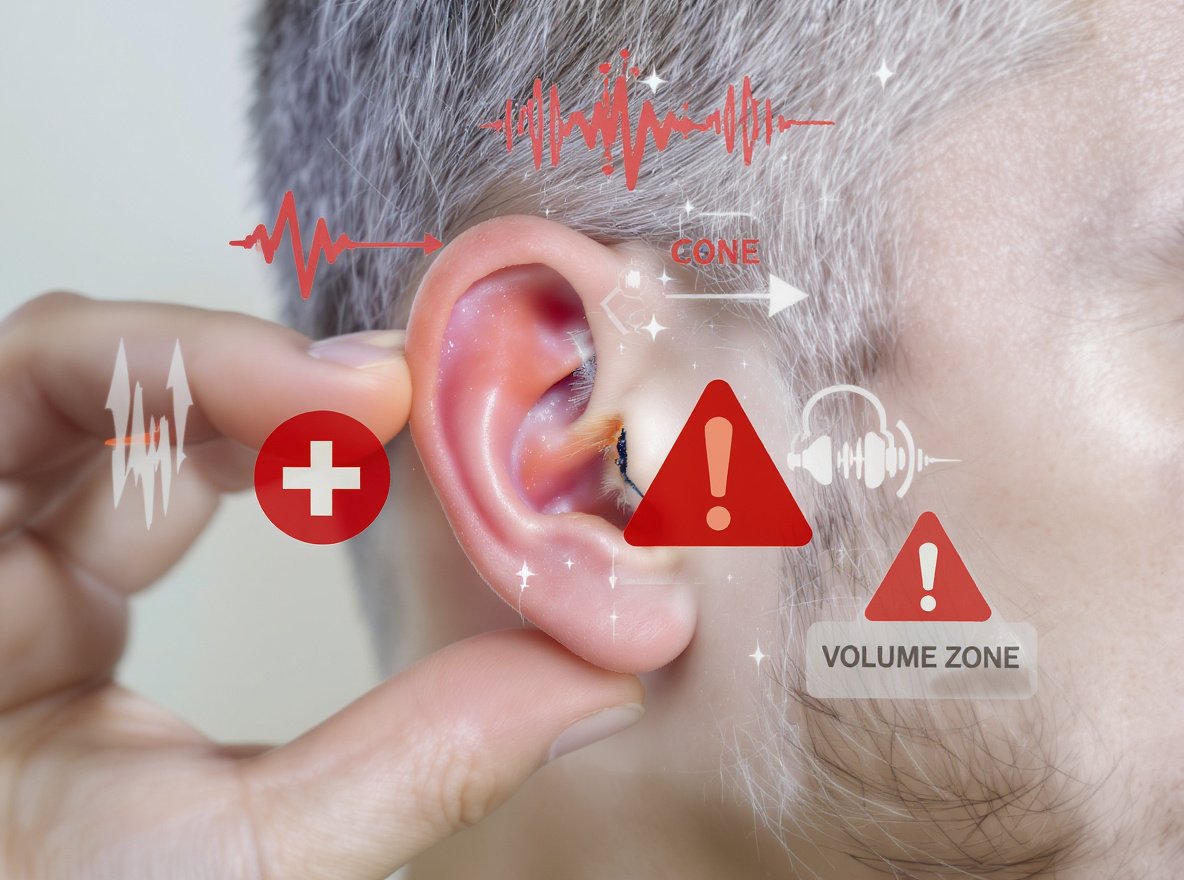
We live in a world where music, podcasts, and calls accompany us everywhere. But constantly wearing earbuds might be silently damaging your health in ways you never imagined.
Having earbuds in your ears all day can be harmful to your hearing and overall ear health. Extended use can cause permanent hearing damage, ear infections, wax buildup, and even affect your spatial awareness and social connections.
But don’t worry – there are practical ways to enjoy your audio devices safely while protecting your long-term health.
How Long Is Too Long for Earbud Use?
Understanding safe listening limits is crucial for anyone who uses earbuds regularly, whether for work, entertainment, or communication.
Experts recommend limiting earbud use to just 1 hour per day at moderate volumes below 60% of maximum level. The widely accepted 60/60 rule states you should listen at no more than 60% volume for a maximum of 60 minutes at a time, followed by regular breaks.
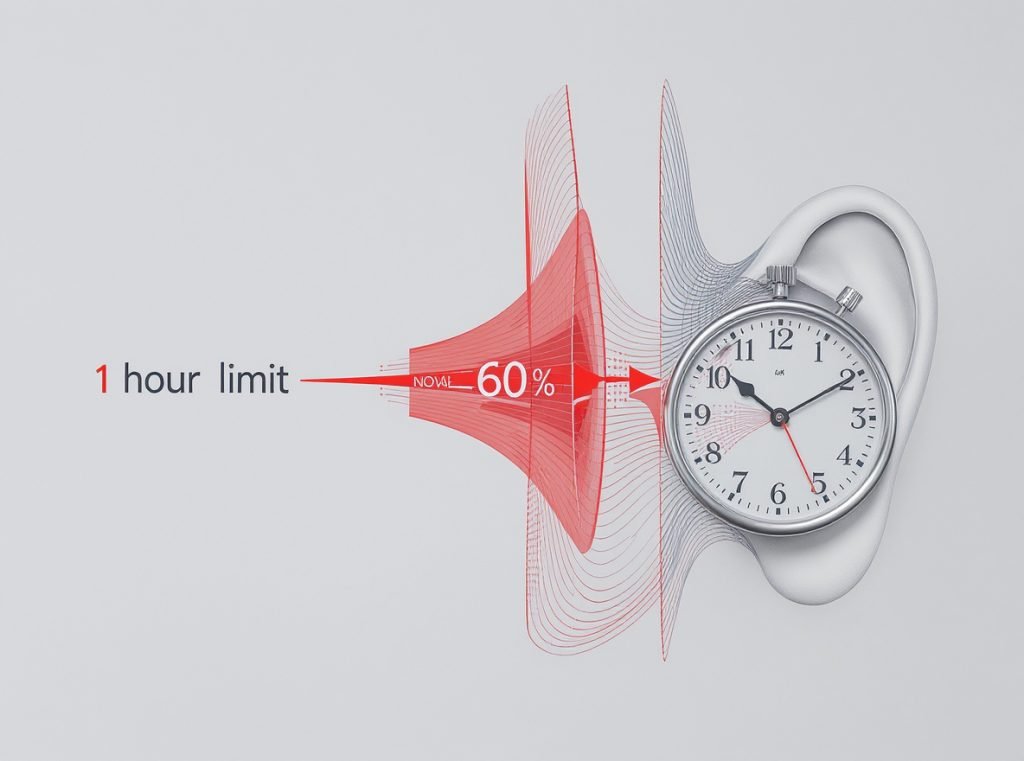
The safe listening time dramatically decreases with higher volumes, making volume control critical for preventing permanent damage.
Volume Level Impact
At 85dB, you can safely listen for up to 8 hours maximum before potential damage occurs. However, at 88dB, safe exposure drops to just 4 hours. Most smartphones can reach volumes of 100dB or higher, which can cause permanent damage in just 15 minutes.
The most dangerous reality is that maximum smartphone volumes of 105-110dB can cause hearing damage in as little as 5 minutes of exposure.
| Professional Recommendations | Volume Level | Safe Daily Exposure | Weekly Limit |
|---|---|---|---|
| 85dB (moderate) | 8 hours | Maximum safe limit | |
| 88dB (loud) | 4 hours | Requires breaks | |
| 100dB (very loud) | 15 minutes | Immediate damage risk | |
| 105-110dB (max phone) | 5 minutes | Severe damage risk |
For wholesale buyers and retailers in the audio industry, educating end customers about these guidelines is essential for building trust and promoting responsible use of your headphone products while reducing liability concerns.
What Are the Health Risks of All-Day Earbud Use?
Extended earbud use poses multiple serious health risks that go beyond just hearing damage, affecting various aspects of your physical and mental well-being.
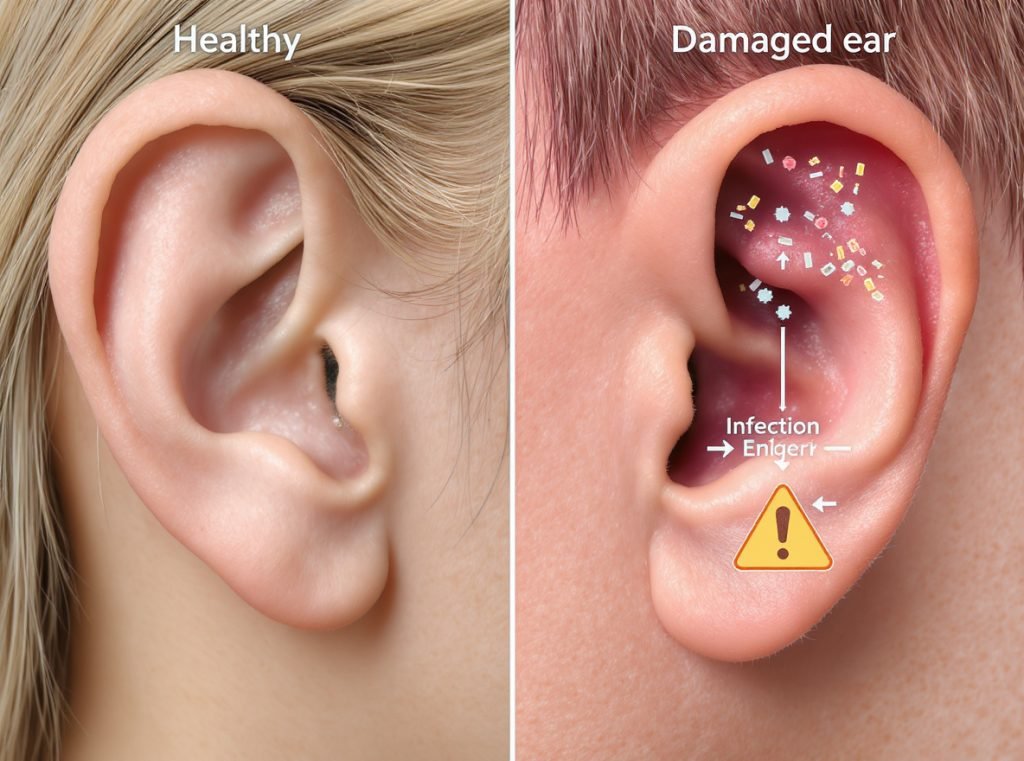
Long-term earbud use can cause irreversible hearing loss, tinnitus, ear infections, bacterial contamination, and compromised natural ear cleaning processes, making it essential to understand all potential risks.
Noise-Induced Hearing Loss
The World Health Organization warns that over 1.1 billion young people are at risk of hearing loss due to unsafe listening practices. Studies show that 1 in 5 young people may already suffer from hearing damage primarily due to constant earbud use.
Unlike other types of hearing loss, noise-induced hearing loss is irreversible because it destroys the delicate hair cells in the cochlea that cannot regenerate. The damage is cumulative over time, meaning even moderate exposure can lead to significant hearing loss years later.
• Permanent sensorineural hearing loss
• Tinnitus (ringing, buzzing, or hissing in ears)
• Hyperacusis (increased sensitivity to normal sounds)
• Difficulty understanding speech in noisy environments
Ear Infections and Bacterial Contamination
All-day earbud use creates a perfect storm for infections through multiple pathways:
Extended earbud use blocks natural ear canal ventilation, creating warm, moist conditions where bacteria and fungi thrive. Research shows headphones contain 2,708 times more bacteria than the average cutting board.
• Moisture trapping that prevents natural ear ventilation
• Bacterial contamination from dirty earbuds
• Compromised natural ear cleaning mechanisms
• Physical irritation causing micro-abrasions that allow bacterial entry
Severe Medical Cases
In documented severe cases, extended earbud use has led to life-threatening conditions, including a teenager whose ear infection progressed to bacterial meningitis due to excessive earbud use.
For manufacturers and distributors, understanding these serious health implications helps position safety-focused products and demonstrates commitment to customer wellbeing.
Can Earbuds Cause Permanent Hearing Damage?
The relationship between earbud use and permanent hearing damage is well-established in medical research, with alarming trends emerging among younger users.
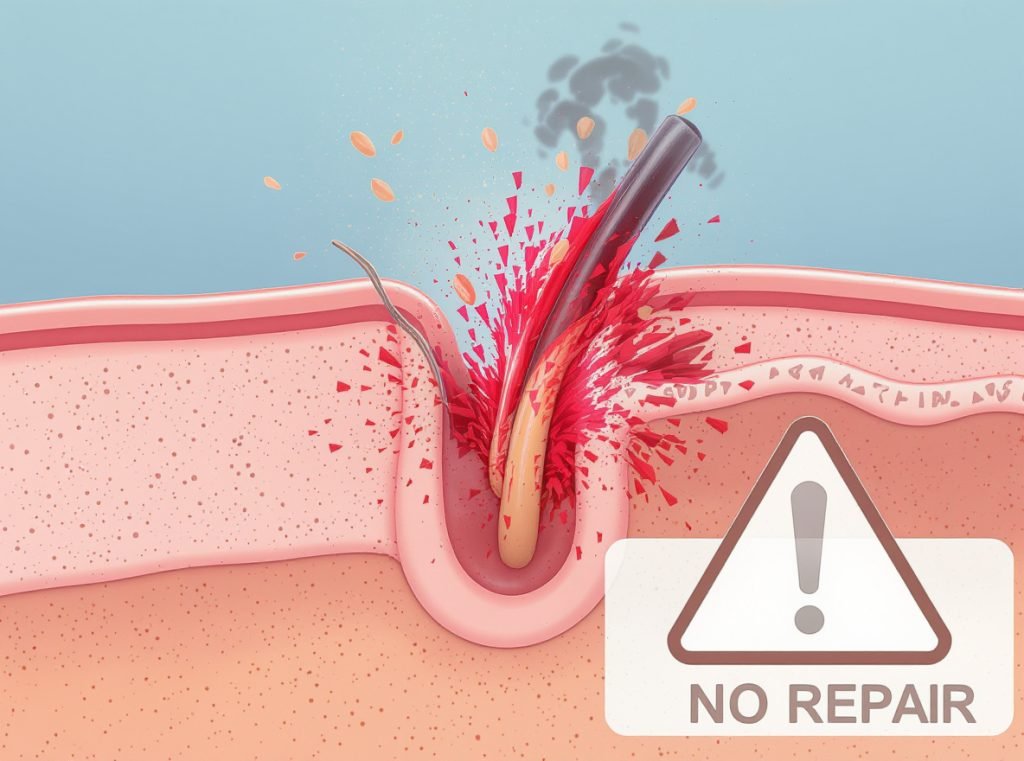
Yes, earbuds can cause permanent hearing damage. Unlike other types of hearing loss, noise-induced hearing loss is irreversible because it destroys the delicate hair cells in the cochlea that cannot regenerate.
How Permanent Damage Occurs
Sound travels through your ear canal and strikes the eardrum, which vibrates and sends signals through tiny hair cells in the inner ear. When these hair cells are exposed to loud sounds repeatedly, they become damaged or die completely.
The damage is cumulative over time, meaning even moderate exposure can lead to significant hearing loss years later. This is why prevention through proper volume control and usage limits is absolutely critical.
Warning Signs of Hearing Damage
• Persistent ringing in ears (tinnitus)
• Muffled hearing after earbud use that becomes more frequent
• Difficulty understanding speech in noisy environments
• Feeling of fullness or pressure in ears
• Need to increase TV or music volume over time
• Temporary hearing loss episodes
Age-Related Risk Factors
| Age Group | Risk Level | Primary Concerns |
|---|---|---|
| Children (5-12) | Very High | Unmonitored use, gaming, educational content |
| Teens (13-19) | Extremely High | Music streaming, social pressure, rebellion against limits |
| Young Adults (20-35) | High | Work calls, commuting, entertainment habits |
| Adults (35+) | Moderate | Professional use, phone calls, audio books |
The damage often goes unnoticed until it becomes significant because hearing loss typically occurs gradually over months or years of exposure.
For headphone retailers and wholesalers, offering products with built-in volume limiting features and educating customers about permanent damage risks can create competitive advantages while promoting responsible consumption.
How Do Earbuds Affect Ear Hygiene and Infections?
Maintaining proper ear hygiene becomes nearly impossible when earbuds are used extensively, creating conditions that actively promote bacterial growth and serious infections.
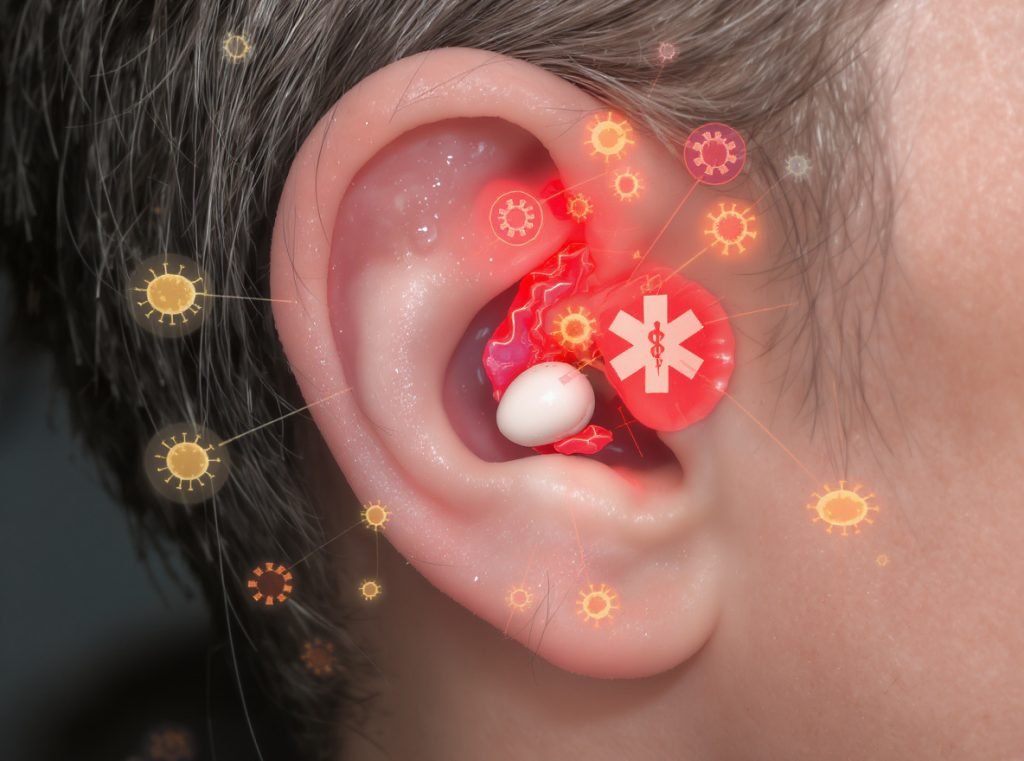
Regular earbud use significantly compromises ear hygiene through airflow obstruction, physical irritation, and interference with natural cleaning processes, leading to infections that can become life-threatening in severe cases.
Natural Ear Cleaning Process Disruption
Your ears have a sophisticated self-cleaning system where earwax (cerumen) traps dirt and debris, then naturally migrates outward as you chew and move your jaw. Earbuds interfere with this process by:
Pushing wax deeper into the ear canal instead of allowing natural removal, creating impaction that affects hearing and creates a cycle where users increase volume to compensate for blocked hearing.
Infection Risk Pathways
Extended earbud use creates ideal breeding conditions for bacteria and fungi by blocking airflow and creating warm, moist environments. The physical irritation from constant insertion can cause micro-abrasions that allow bacterial entry.
• Shared earbuds transfer bacteria between users
• Dirty earbuds introduce new pathogens with every use
• Tight-fitting earbuds eliminate air circulation completely
• Disrupted earwax flow traps contaminants against ear canal walls
Prevention and Maintenance Strategies
| Cleaning Method | Frequency | Effectiveness |
|---|---|---|
| Alcohol wipes | After each use | Kills 99% bacteria and viruses |
| UV sanitizers | Daily | Chemical-free sterilization |
| Professional cleaning | Weekly | Deep cleaning of mesh and internal components |
Regular cleaning is essential, but equally important is giving your ears time to breathe by removing earbuds for several hours daily to allow proper air circulation and natural cleaning processes to resume.
Professional earbud manufacturers should prioritize incorporating antimicrobial materials and designing products that promote better air flow to reduce infection risks for end users.
What’s the Difference Between Earbuds and Over-Ear Headphones for Safety?
The design differences between earbuds and over-ear headphones create dramatically different safety profiles that affect hearing health, infection risk, and long-term usability.
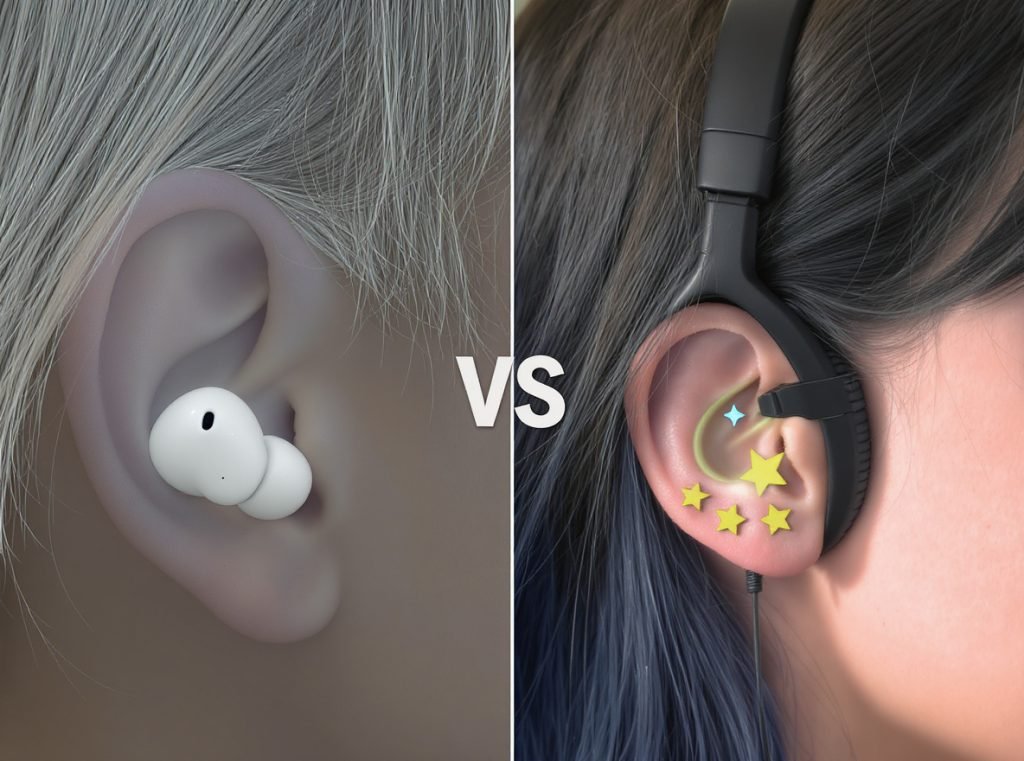
Over-ear headphones are significantly safer than earbuds for multiple reasons, including better sound delivery, reduced volume requirements, eliminated infection risk, and no interference with natural ear processes.
Sound Delivery and Volume Requirements
Earbuds concentrate sound directly into your ear canal, delivering audio very close to your eardrum. This proximity means even moderate volumes can cause damage. Over-ear headphones create distance between the driver and your ear, distributing sound more naturally and requiring lower volumes for the same perceived loudness.
Professional recommendations consistently favor over-ear headphones for regular use, with audiologists noting they provide better sound quality while posing minimal health risks.
Safety Comparison Analysis
| Safety Factor | Earbuds | Over-Ear Headphones |
|---|---|---|
| Sound concentration | Direct ear canal delivery | Distributed around ear |
| Volume requirements | Higher due to external noise | Lower due to better isolation |
| Infection risk | High (direct canal contact) | Minimal (no canal contact) |
| Earwax interference | Significant disruption | No interference |
| Recommended daily use | 1 hour maximum | 4-6 hours with breaks |
Key Safety Advantages of Over-Ear Models
Over-ear headphones don’t interfere with natural ear cleaning processes and eliminate most infection pathways by avoiding direct ear canal contact. Better noise isolation means less need to increase dangerous volume levels, and superior sound quality allows enjoyment at safer volumes.
The professional consensus is clear: over-ear headphones provide the gold standard for safe extended listening, making them ideal for work environments and extended entertainment use.
For businesses sourcing audio equipment for employees or customers, over-ear headphones represent a safer investment that reduces health liability while providing superior user experience.
How Can You Use Earbuds Safely for Extended Periods?
If your lifestyle requires earbud use for longer periods, following strict safety protocols can significantly reduce health risks while maintaining audio quality and convenience.
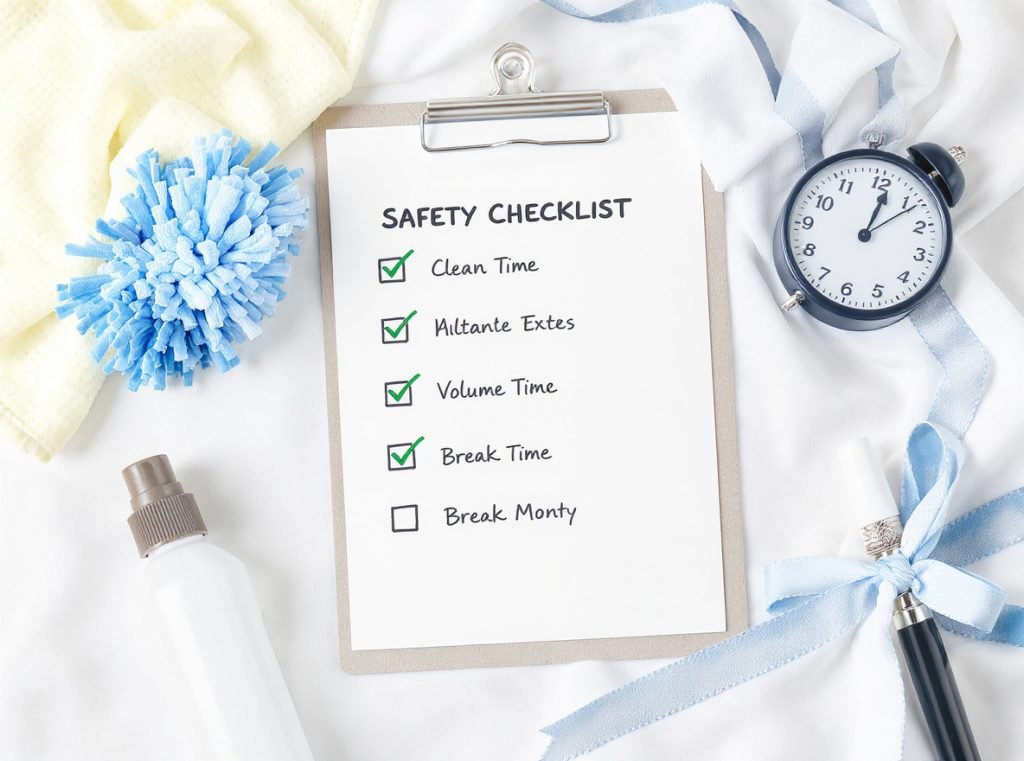
Following essential safety protocols including the 60/60 rule, regular cleaning, proper breaks, and health monitoring can make extended earbud use safer, though over-ear alternatives remain the healthiest choice.
Volume and Duration Management
Keep volume at 50-60% maximum at all times, regardless of external noise conditions. Use noise-canceling models to avoid volume increases in noisy environments rather than turning up dangerous volume levels.
Take 10-minute breaks every hour of listening, and ensure your ears get at least 6-8 hours of complete rest daily to allow natural recovery processes to occur.
Hygiene and Maintenance Protocols
• Clean earbuds daily with alcohol wipes or manufacturer-approved cleaners
• Never share earbuds with others under any circumstances
• Allow ears to “breathe” by removing earbuds periodically throughout the day
• Replace ear tips regularly on in-ear models to prevent bacterial buildup
Health Monitoring Requirements
| Warning Sign | Immediate Action | Long-term Strategy |
|---|---|---|
| Ear pain or pressure | Stop use immediately | Switch to over-ear headphones |
| Muffled hearing | Rest ears for 24+ hours | Reduce daily usage time |
| Tinnitus/ringing | Cease earbud use | Get professional hearing evaluation |
| Discharge or odor | Seek medical attention | Improve hygiene protocols |
Professional Usage Guidelines
Stop immediately if experiencing pain, ringing, or muffled hearing. Avoid use during active ear infections and for weeks after recovery to prevent complications.
Get regular hearing checkups if you’re a heavy user, as early detection of hearing loss can prevent further damage through modified usage patterns.
For wholesale buyers stocking workplace audio equipment, providing these safety guidelines with products demonstrates responsibility while potentially reducing workers’ compensation claims related to hearing damage.
Are There Safer Alternatives to All-Day Earbud Use?
Multiple alternatives exist for people who need audio access throughout the day, each offering significantly better safety profiles for specific use cases and environments.
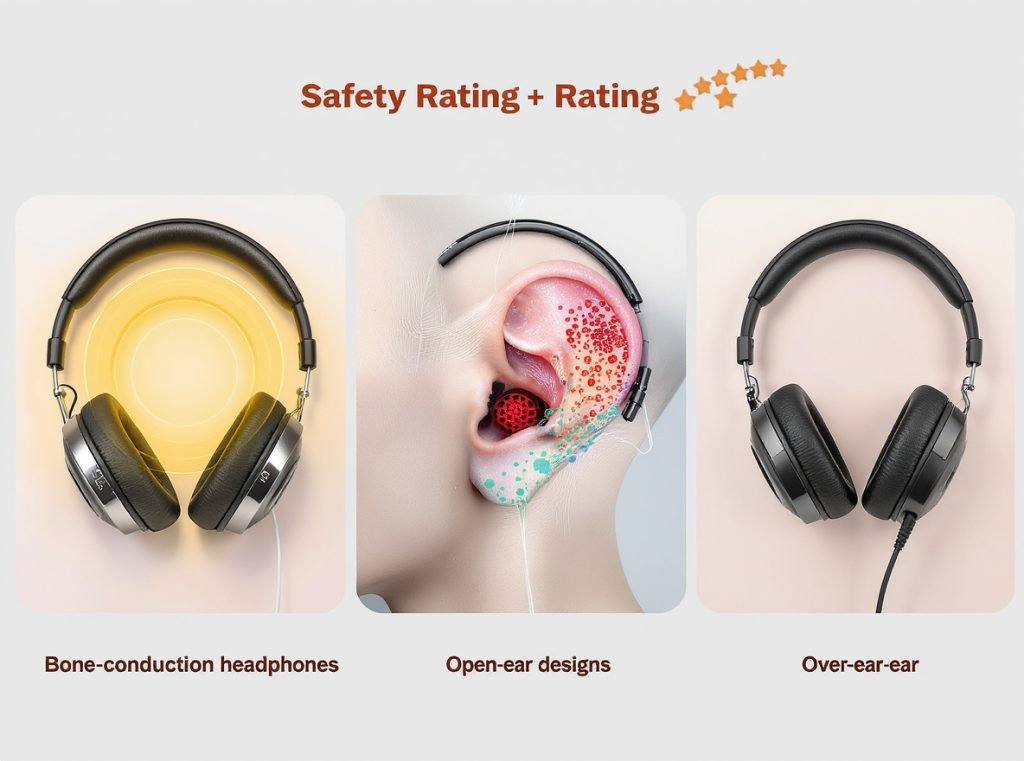
Bone conduction headphones, open-ear designs, and noise-canceling over-ear models provide dramatically safer alternatives to constant earbud use while maintaining audio quality and convenience for extended daily use.
Bone Conduction Technology – The Safest Option
Bone conduction headphones are among the safest options for extended use, transmitting sound through skull vibrations while bypassing ear canals entirely. They maintain complete ambient awareness for safety and eliminate infection risk from ear canal contact.
These devices allow natural ear cleaning to continue unimpeded and are recommended for 6-8 hours daily use when used responsibly, making them ideal for workplace environments and active lifestyles.
Open-Ear Earbud Designs
Open-ear designs offer a compromise between convenience and safety through clip-on or hook designs that don’t enter the ear canal. They provide better ambient awareness than traditional earbuds and significantly reduced infection risk compared to in-ear models, with 4-6 hours recommended daily use.
Professional Audio Solutions
| Alternative Type | Safety Rating | Recommended Daily Use | Best Use Cases |
|---|---|---|---|
| Bone conduction | Excellent | 6-8 hours | Workplace, exercise, all-day wear |
| Open-ear earbuds | Very Good | 4-6 hours | Commuting, casual listening |
| Over-ear noise-canceling | Excellent | 4-6 hours with breaks | Office work, travel, entertainment |
| Desktop speakers | Perfect | Unlimited | Office environments, home use |
Environmental Audio Solutions
Consider modifying your environment to reduce personal audio device dependency: desktop speakers for office work, wireless speakers for home activities, smart home audio systems for seamless room-to-room listening, and automotive audio integration for commuting.
Gradual Transition Strategies
Moving away from constant earbud use doesn’t require abrupt changes. Start by replacing one listening session per day with safer alternatives, gradually increasing earbud-free periods as you adapt to other solutions.
For retailers and wholesalers, offering complete audio ecosystem solutions rather than just earbuds can increase average order values while promoting healthier listening habits among customers.
What Are the Signs You’re Using Earbuds Too Much?
Recognizing early warning signs of excessive earbud use can prevent serious long-term damage and help you adjust listening habits before problems become permanent and irreversible.
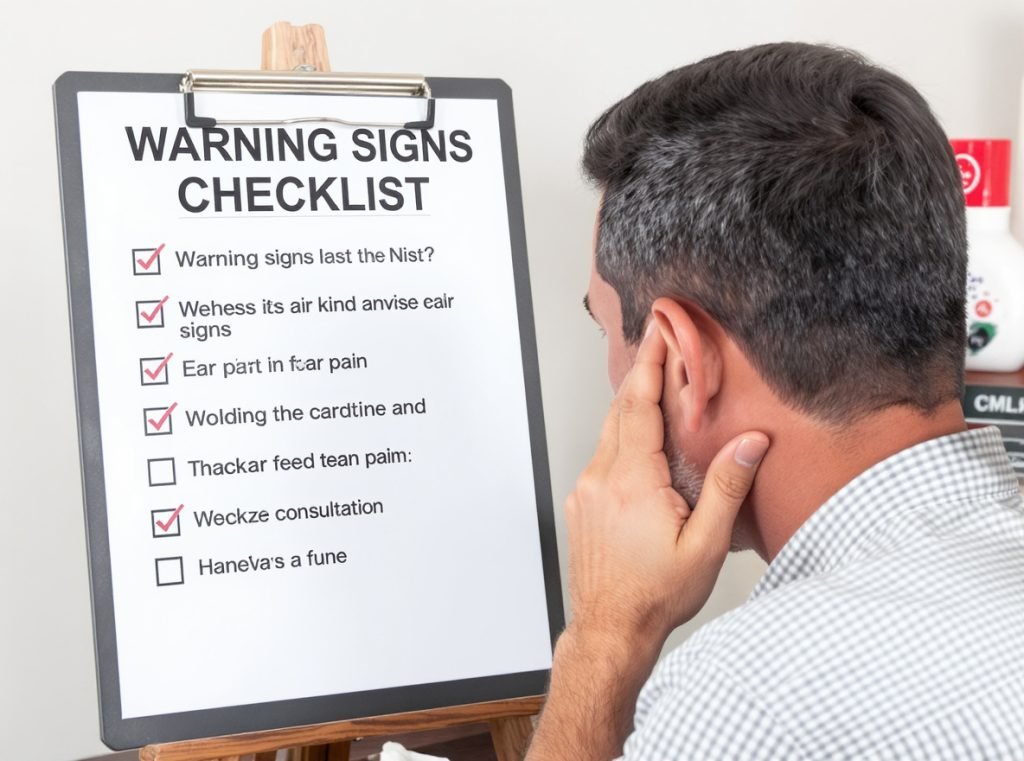
Your body provides clear warning signals when earbud use becomes problematic, including immediate auditory symptoms, physical discomfort, and behavioral patterns that indicate dangerous dependency on constant audio stimulation.
Immediate Auditory Warning Signs
The most critical indicators are auditory symptoms that develop during or immediately after use:
Tinnitus (ringing, buzzing, or hissing in ears) is often the first sign of hearing damage. Temporary muffled hearing after use suggests your ears need more recovery time, and this temporary threshold shift can become permanent if ignored.
• Difficulty hearing normal conversations without increasing volume
• Need to increase device volumes over time to achieve same satisfaction
• Pain or discomfort during or after earbud use
• Inability to hear others speaking at normal volume while wearing earbuds
Physical Health Indicators
Pay attention to physical symptoms that indicate infection or hygiene problems:
• Ear canal irritation, itching, or persistent discomfort
• Excessive earwax production or visible buildup on earbuds
• Feeling of ear “fullness” or pressure that persists after removal
• Recurring ear infections or unusual discharge from ears
• Unusual odor from ears or earbuds
Dangerous Usage Patterns
| Behavioral Warning Sign | Health Risk Level | Recommended Action |
|---|---|---|
| Using earbuds more than 1 hour daily | High | Implement strict time limits |
| Volume consistently above 60% maximum | Very High | Volume monitoring apps required |
| Sleeping with earbuds in | Extreme | Establish evening cutoff times |
| Unable to function without audio | Psychological dependency | Gradual reduction therapy |
Professional Consultation Triggers
Seek immediate medical attention if you experience persistent ear pain, hearing loss that doesn’t improve after 24 hours of rest, any discharge from ears, or tinnitus lasting more than 24 hours.
Early intervention can prevent minor issues from becoming permanent disabilities that affect quality of life and professional capabilities.
For businesses in the audio industry, providing customers with self-assessment tools and educational materials about warning signs demonstrates commitment to user health while building brand loyalty through responsible marketing practices.
How Do Different Earbud Types Compare for Safety?
Not all earbuds pose equal health risks, with significant differences in design, fit, and safety features that dramatically affect long-term health outcomes and usability.
Safety rankings from safest to most dangerous: over-ear headphones offer the highest safety rating, bone conduction provides excellent extended use safety, open-ear earbuds offer good compromise between safety and convenience, while in-ear earbuds require the strictest usage limits and pose the highest health risks.
Comprehensive Safety Rankings
The closer any device sits to your eardrum and the more it blocks your ear canal, the higher the health risks become across all categories of potential damage.
- Over-ear headphones: Highest safety rating, lowest risk across all categories, recommended for extended daily use
- Bone conduction: Excellent for 6-8 hours daily use, maintains environmental awareness
- Open-ear earbuds: Good compromise, 4-6 hours recommended daily use
- On-ear headphones: Moderate safety for shorter periods with regular breaks
- In-ear earbuds: Highest risk category, requires strictest 1-hour daily limits
Safety Feature Comparison
Modern earbuds incorporate various safety technologies, but effectiveness varies dramatically by price point and manufacturer commitment to user health.
| Safety Feature | Effectiveness | Availability | Impact on Health |
|---|---|---|---|
| Active noise cancellation | High | Premium models | Reduces dangerous volume needs |
| Built-in volume limiters | Very High | Limited availability | Prevents immediate hearing damage |
| Hearing health monitoring | High | Smartphone integration | Tracks cumulative exposure |
| Antimicrobial materials | Moderate | Rare | Reduces infection risk |
Professional Recommendations by Use Case
Audiologists generally recommend specific device types based on intended use patterns and individual risk factors.
For office workers requiring all-day audio: over-ear headphones with active noise cancellation provide the safest option. For active individuals: bone conduction headphones eliminate sweat-related infection risks while maintaining safety awareness.
For occasional recreational use: high-quality in-ear earbuds with volume limiting can be acceptable with strict time limits and proper hygiene protocols.
Price vs. Safety Considerations
Higher-priced earbuds typically include more safety features, but expensive doesn’t guarantee safer operation. Focus on specific safety features rather than brand prestige when evaluating options for health-conscious use.
For businesses sourcing earbuds for resale or employee use, prioritizing models with comprehensive safety features reduces liability concerns while demonstrating commitment to user wellbeing, creating competitive advantages in health-conscious markets.
Summary
Wearing earbuds all day poses serious health risks including permanent hearing damage, life-threatening infections, and compromised ear hygiene. Following strict usage limits, choosing safer alternatives like bone conduction or over-ear headphones, and recognizing early warning signs are essential for preserving your long-term hearing health and overall wellbeing.
Are you looking for wholesale headphone solutions that prioritize user safety without compromising audio quality? At Osmarto, we specialize in providing premium audio products with advanced safety features for distributors, retailers, and brand manufacturers worldwide. Our comprehensive product range includes over-ear headphones with noise cancellation, bone conduction alternatives, and in-ear models with built-in volume limiting technology – all designed to promote healthy listening habits while delivering exceptional sound quality. As a leading manufacturer serving the global wholesale market, we understand the critical importance of balancing user safety with commercial viability. Contact Osmarto today to discuss how our safety-focused headphone solutions can differentiate your brand, reduce liability concerns, and build customer loyalty through responsible audio technology. Send us your inquiry and discover why forward-thinking businesses choose Osmarto for headphone products that keep users safe and satisfied.