Skip to content
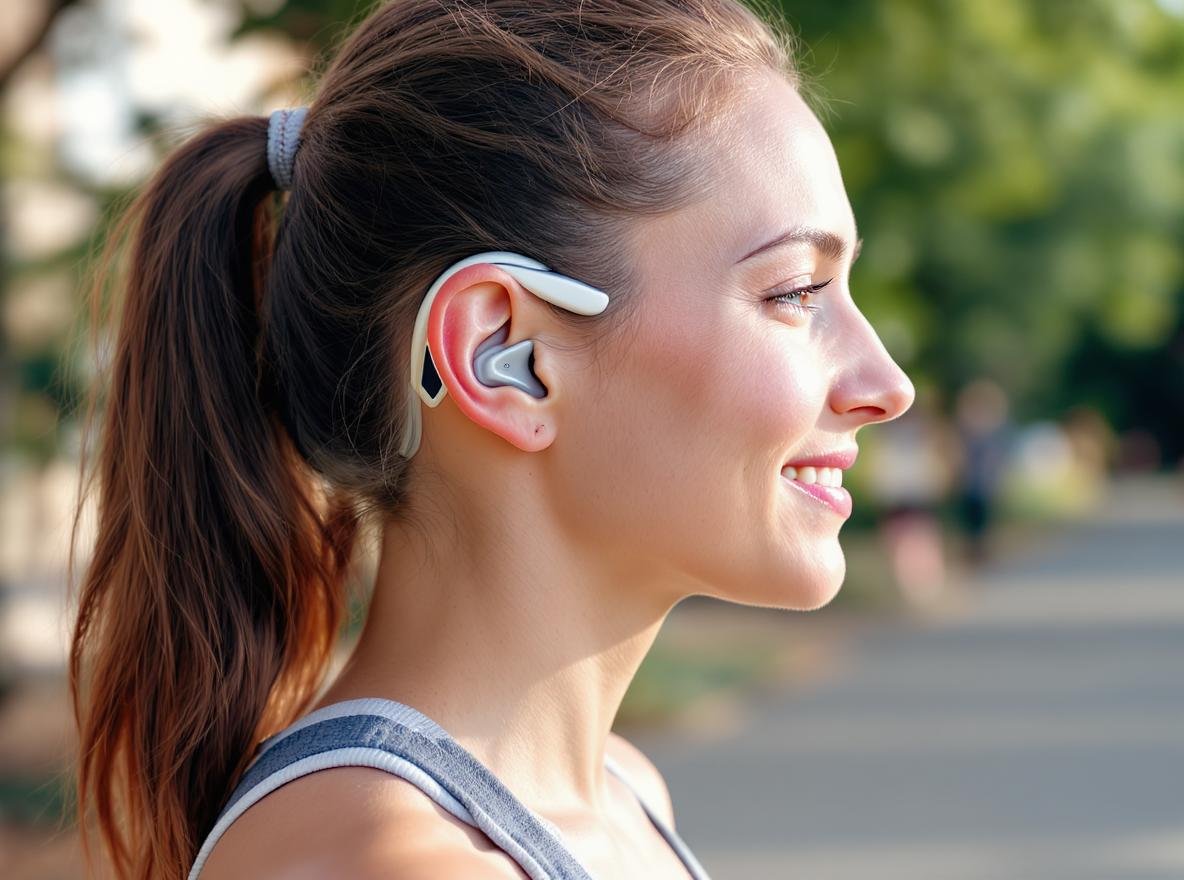
Are you wondering if bone conduction headphones could actually be better for your health than regular headphones? Many business owners and distributors are asking this exact question as they evaluate which audio products to stock or recommend to their customers.
Bone conduction headphones do offer several significant health benefits compared to traditional earphones, including reduced ear canal damage and infections, enhanced situational awareness for safety, and compatibility with medical devices. However, they don’t eliminate hearing damage risks entirely and still require responsible volume levels.
Let’s explore the complete picture of how bone conduction technology can benefit your health and what your customers need to know.
How Do Bone Conduction Headphones Reduce Ear Canal Damage and Infections?
Understanding how bone conduction technology protects your ears helps explain why these headphones offer unique health advantages over traditional earbuds and headphones.
Bone conduction headphones completely bypass the ear canal by transmitting sound vibrations through your cheekbones directly to your inner ear. This eliminates the risk of compacted earwax, blockages, and infections from trapped bacteria that commonly occur with traditional earbuds.

The technology works by placing transducers on your temporal bones near your temples. These vibrate at specific frequencies, sending sound waves through your skull bones to your cochlea, where they’re converted into electrical signals for your brain to interpret as sound.
This unique approach offers several immediate ear health advantages:
Minimized Physical Irritation:
- No direct contact with sensitive ear canal tissues
- Eliminates pressure-related discomfort from ill-fitting earbuds
- Prevents skin irritation from constant insertion and removal
- Reduces risk of micro-tears in ear canal skin
Improved Ear Hygiene:
- Allows ears to naturally self-clean and breathe
- Prevents moisture-rich environment that nurtures bacterial growth
- Eliminates accumulation of dirt and debris in ear canals
- Maintains natural earwax production and removal processes
Lower Infection Risk:
- Particularly beneficial for individuals prone to chronic ear infections
- Keeps ears open and aerated for better healing
- Reduces cross-contamination from shared or dirty earbuds
- Prevents bacterial buildup that leads to otitis externa (swimmer’s ear)
For wholesale buyers targeting health-conscious consumers or medical markets, these infection-prevention benefits represent strong selling points, especially in environments where hygiene is paramount.
Are Bone Conduction Headphones Safer for Environmental Awareness?
Safety represents one of the biggest selling points for bone conduction headphones, especially in commercial, professional, and outdoor activity markets. The research shows compelling safety advantages.
Bone conduction headphones are significantly safer for situational awareness because they leave your ear canals completely open, allowing you to hear environmental sounds, traffic, warning signals, and emergency alerts while listening to audio content.

Recent studies indicate that the open-ear design allows users to hear approaching vehicles, other pedestrians, and warning signals, potentially preventing accidents and mishaps. This makes them ideal for outdoor activities where spatial awareness is crucial for safety.
The safety benefits break down into several critical categories:
| Safety Application | Traditional Headphones | Bone Conduction | Business Market |
|---|---|---|---|
| Outdoor Exercise | Sound isolation risks | Full environmental awareness | Sports retailers, gyms |
| Workplace Communication | Difficult/dangerous | Natural conversation ability | Industrial suppliers |
| Emergency Response | Blocked warning sounds | Clear alert detection | Healthcare, security |
| Traffic Awareness | Limited vehicle detection | Full traffic sound awareness | Commuter markets |
Professional Safety Applications:
Amazon warehouse workers and other safety personnel find bone conduction headphones invaluable for maintaining environmental awareness while receiving audio communications. This dual capability ensures compliance with workplace safety regulations while maintaining productivity.
Healthcare workers have discovered particular value in bone conduction headsets that allow them to simultaneously listen to patients, monitor bedside alarms, and maintain communication with colleagues while keeping their ears available for critical environmental sounds.
Accident Prevention Benefits:
- Hear approaching vehicles during outdoor exercise
- Detect emergency sirens and safety alarms
- Maintain communication in noisy work environments
- Stay alert to children or family members calling
- Respond quickly to unexpected hazards or warnings
For B2B buyers, these safety features appeal to institutions prioritizing worker safety and liability reduction.
Do Bone Conduction Headphones Prevent Hearing Damage Better Than Regular Headphones?
This question concerns many distributors and end-users who want to understand the real hearing protection benefits. The research reveals important nuances that affect marketing and customer education.
While bone conduction headphones reduce some risks associated with traditional earphones, they don’t inherently prevent all hearing damage. The same volume levels that cause hearing loss through regular headphones can still damage your hearing through bone conduction, as both affect the cochlea similarly.
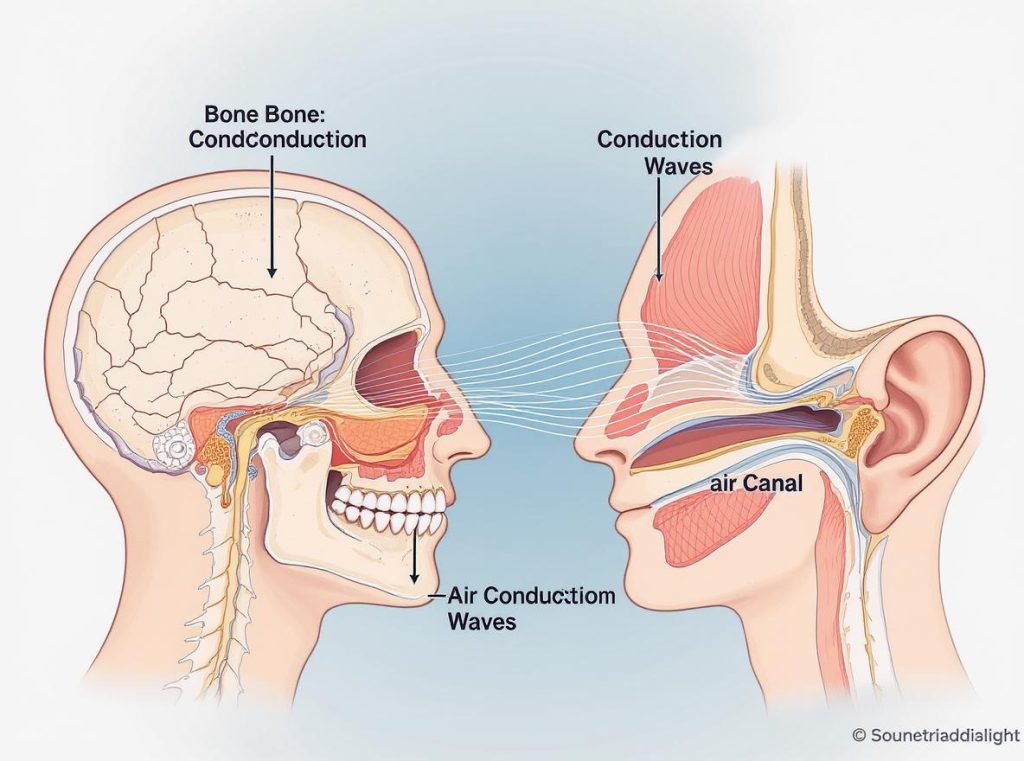
According to audiological research, bone conduction is not inherently safer for the cochlea, as both air-conducted and bone-conducted sound affect the inner ear similarly. However, they do provide meaningful protective advantages in specific areas.
Reduced Hearing Damage Risks:
Eardrum Protection:
- Eliminates direct pressure on sensitive eardrum membranes
- Prevents eardrum damage from sudden loud sounds
- Reduces acoustic trauma from poor-fitting earbuds
- Allows eardrums to rest during extended listening sessions
Volume Control Benefits:
- Users typically require lower volumes due to improved sound sensitivity
- Less temptation to increase volume to overcome ambient noise isolation
- Natural volume limitation due to vibration feedback at high levels
- Better awareness of actual listening levels
Long-term Hearing Health:
- Prevents temporary hearing loss from ear canal blockage
- Reduces risk of noise-induced hearing loss in specific scenarios
- Allows natural ear ventilation during extended use
- Eliminates hearing damage from impacted earwax
| Hearing Risk Factor | Traditional Headphones | Bone Conduction |
|---|---|---|
| Eardrum Damage | High risk at loud volumes | Significantly reduced |
| Cochlear Damage | High risk at loud volumes | Same risk at equivalent volumes |
| Volume Requirements | Often higher to overcome isolation | Typically lower volumes needed |
| Awareness of Volume | Poor due to isolation | Better due to open design |
The key for wholesalers and retailers is educating customers that bone conduction offers some hearing protection benefits, particularly for eardrum health, but responsible volume levels remain essential for cochlear protection.
How Do Bone Conduction Headphones Help People With Hearing Impairments?
Bone conduction technology offers unique benefits for individuals with various types of hearing loss, representing a significant market opportunity for businesses targeting medical and accessibility markets.
Bone conduction headphones are particularly beneficial for individuals with conductive hearing loss, mixed hearing loss, or single-sided deafness because the technology bypasses damaged outer or middle ear structures and transmits sound directly to the functioning inner ear.

Duke Health and Cleveland Clinic research shows that bone conduction technology works effectively for people whose inner ear (cochlea) functions normally but who have problems in their outer or middle ear.
Medical Applications and Benefits:
Conductive Hearing Loss Treatment:
- Bypasses damaged ear canal, eardrum, or middle ear bones
- Delivers sound directly to functioning cochlea
- Often provides clearer sound than hearing aids for these conditions
- Eliminates feedback issues common with traditional hearing aids
Compatibility with Medical Devices:
- Works alongside hearing aids without interference
- Compatible with cochlear implants
- Doesn’t conflict with ear medications or treatments
- Allows simultaneous use of multiple hearing assistance technologies
Specific Beneficiary Groups:
Single-Sided Deafness (SSD):
- Transmits sound from deaf side to functioning ear through skull
- Improves sound localization and spatial awareness
- Reduces head shadow effect that blocks sound
- Enhances communication in group settings
Mixed Hearing Loss:
- Provides alternative pathway when conventional methods fail
- Offers backup audio delivery system
- Reduces dependence on multiple devices
- Improves overall hearing experience quality
For businesses targeting medical markets, these applications represent opportunities in hospitals, audiology clinics, and rehabilitation centers where bulk purchases are common.
Who Benefits Most From Bone Conduction Health Features in Business Settings?
Different user groups experience varying levels of health benefits from bone conduction technology. Understanding these segments helps wholesalers and retailers target the right markets with appropriate messaging.
Athletes, outdoor workers, healthcare professionals, people with hearing aids, and individuals prone to ear infections benefit most from bone conduction headphones’ health features.

Primary Business Market Segments:
Athletes and Fitness Enthusiasts:
Runners, cyclists, hikers, and other outdoor enthusiasts benefit significantly from the situational awareness provided by the open-ear design, while also avoiding ear canal damage from sweaty, ill-fitting earbuds during frequent use.
Key benefits include:
- Maintain traffic awareness during outdoor training
- Avoid ear canal irritation from moisture and movement
- Reduce infection risk in shared gym environments
- Enjoy stable, secure audio during high-movement activities
- Comply with race regulations that require environmental awareness
Healthcare and Medical Workers:
Medical professionals benefit from bone conduction headsets that allow them to simultaneously listen to patients, monitor bedside alarms, and maintain communication while keeping their ears available for critical environmental sounds.
Applications include:
- Emergency room communication systems
- Surgical team coordination
- Patient monitoring with environmental awareness
- Telemedicine consultations
- Medical training and education
Industrial and Workplace Safety:
- Manufacturing environments requiring safety compliance
- Construction sites with heavy machinery
- Security personnel needing situational awareness
- Transportation workers (drivers, pilots, logistics)
- Emergency responders and first responders
| Professional Sector | Primary Health Benefit | Typical Order Volume |
|---|---|---|
| Healthcare Systems | Safety + Communication | 50-500 units |
| Educational Institutions | Infection Prevention | 100-1000 units |
| Corporate Wellness | Hearing Health | 25-200 units |
| Sports/Fitness Centers | Hygiene + Safety | 20-100 units |
| Industrial Safety | Environmental Awareness | 100-500 units |
Individuals with Ear Sensitivities:
- People experiencing discomfort from traditional headphones
- Those with sensitive ear canals or unusual ear shapes
- Individuals prone to allergic reactions from earbud materials
- Users requiring frequent ear cleaning due to medical conditions
These target markets represent excellent opportunities for B2B sales, as institutions often purchase audio equipment in bulk for safety, health compliance, and employee wellness reasons.
What Are the Health Limitations and Risks of Bone Conduction Technology?
While bone conduction headphones offer several health advantages, they’re not perfect solutions for every audio-related health concern. Understanding limitations helps set realistic expectations and prevent customer dissatisfaction.
Bone conduction headphones may cause skull vibration discomfort at high volumes, don’t eliminate cochlear hearing damage risks, and may not provide sufficient stimulation for users with severe sensorineural hearing loss.
Physical Comfort Limitations:
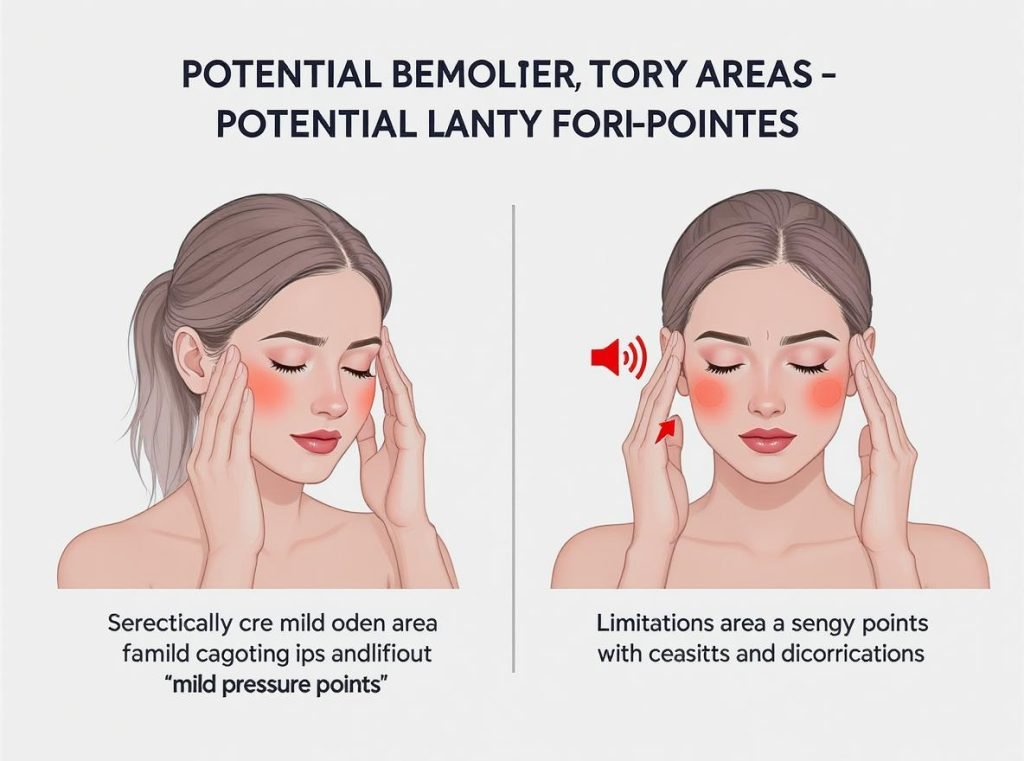
Some users experience discomfort or pressure on the cheekbones, temporal bones, or jaw due to the vibrations, which can lead to headaches during extended use, particularly at higher volumes.
Common physical issues include:
- Mild headaches from prolonged vibration exposure
- Skin irritation at contact points for sensitive users
- Tickling or uncomfortable sensations during adjustment period
- Jaw tension from prolonged contact pressure
- Pressure points on temporal bones
Sound Quality Trade-offs:
Bone conduction headphones generally provide lower sound quality compared to traditional headphones, particularly in bass reproduction, due to the physical limitations of transmitting sound through bone density.
Audio limitations include:
- Reduced bass response and low-frequency reproduction
- Less dynamic range compared to traditional headphones
- Ambient noise interference in loud environments
- Potential sound leakage at higher volumes
- Limited audiophile-quality sound reproduction
Hearing Protection Limitations:
Despite bypassing the eardrum, bone conduction headphones can still cause hearing damage if used at excessive volumes for extended periods, as the cochlea remains susceptible to damage from intense vibrations.
Critical safety considerations:
- Same cochlear damage risks at equivalent volumes
- No protection against extremely loud environmental sounds
- Potential for users to increase volumes beyond safe levels
- Limited effectiveness for severe sensorineural hearing loss
- May not be suitable for certain skull or jaw medical conditions
Business Implications:
- Higher return rates if limitations aren’t communicated
- Need for customer education about proper use
- Importance of volume limiting features in product selection
- Consider offering traditional alternatives for certain use cases
For wholesale buyers, it’s crucial to communicate both benefits and limitations to avoid customer disappointment and maintain long-term business relationships.
How to Choose Healthy Bone Conduction Headphones for Business Applications?
When sourcing bone conduction headphones for wholesale or retail distribution, specific health-related features matter more than others for ensuring customer satisfaction and repeat business.
Choose bone conduction headphones with adjustable fit systems, quality transducers, built-in volume limiting features, and comfortable hypoallergenic materials that meet international safety standards for your target market.
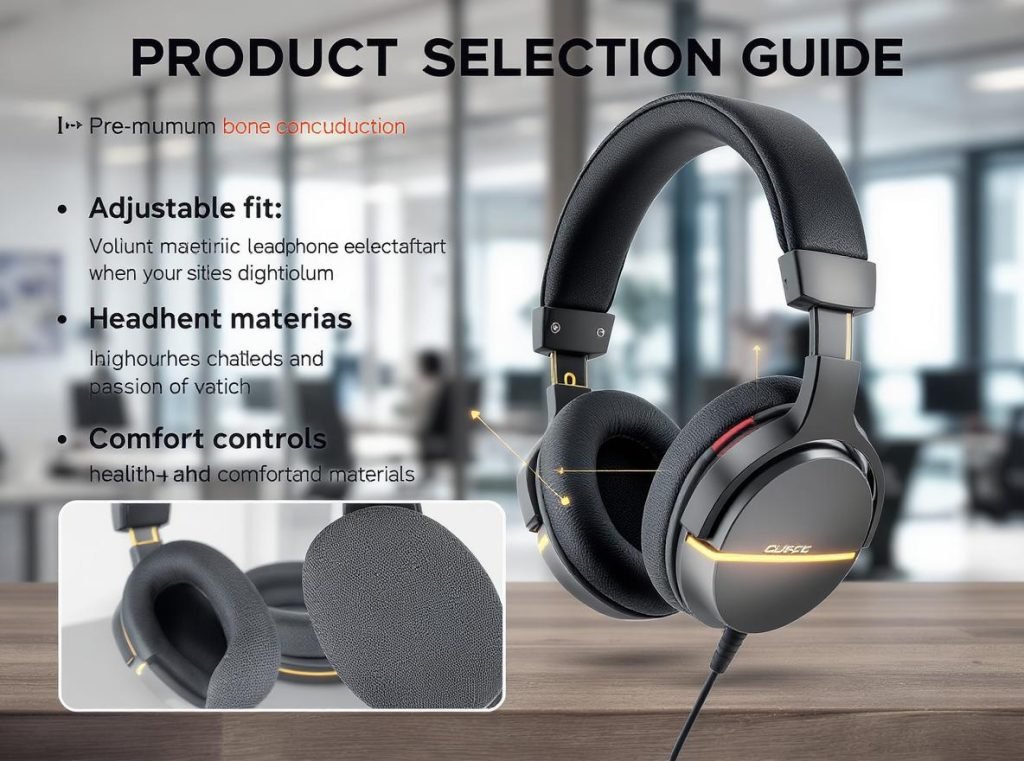
Essential Health-Focused Selection Criteria:
Comfort and Ergonomic Design:
Prioritize models with adjustable bands and cushioned contact points, ensuring the fit is snug yet comfortable for optimal sound transmission without excessive pressure.
Key comfort features:
- Adjustable headband tension to prevent pressure injuries
- Soft, hypoallergenic materials at bone contact points
- Lightweight titanium or flexible polymer construction
- Multiple size options for different head shapes and ages
- Ergonomic design that distributes weight evenly
Safety and Health Protection Features:
Look for models that include volume limiting capabilities or clear volume indicators to prevent accidentally listening at harmful levels, with some headphones providing warnings when volume approaches potentially damaging levels.
Critical safety elements:
- Built-in volume limiting (typically 85dB maximum)
- Visual or audio warnings at high volume levels
- Automatic shutoff after periods of excessive volume
- Clear volume indicators and incremental controls
- Emergency sound passthrough capabilities
Professional Communication Quality:
For business use, select models with high-quality microphones and noise-canceling algorithms for clear communication during calls, with some models like the Shokz OpenMeet UC specifically designed for office environments and Zoom certified.
Professional features include:
- CVC (Clear Voice Capture) noise cancellation
- Multipoint Bluetooth connectivity for device switching
- HD voice codec support (aptX, AAC)
- Long battery life (8+ hours talk time)
- Quick charging capabilities (USB-C preferred)
| Feature Category | Health Impact | Business Value | Recommended Specs |
|---|---|---|---|
| Adjustable Fit | Prevents pressure injuries | Reduces returns/complaints | 3+ adjustment points |
| Volume Limiting | Protects against hearing damage | Meets safety regulations | 85dB maximum, visual indicators |
| Hygienic Materials | Prevents skin irritation | Appeals to health-conscious buyers | Antimicrobial coatings |
| Water Resistance | Maintains hygiene, prevents damage | Extends product lifecycle | IPX4 minimum rating |
Build Quality for Long-term Health:
Choose headphones with materials that are easy to clean and maintain, particularly important in business environments where devices may be shared, looking for models with antimicrobial coatings or materials that resist bacterial growth.
Durability considerations:
- Sweat and water resistance (IPX4 or higher)
- Easy-to-clean surfaces with antimicrobial properties
- Consistent vibration quality over extended use periods
- Replaceable or washable contact pads
- Robust construction for shared/institutional use
Implementation and Training Guidelines:
Workplace Integration:
- Establish volume management policies and listening duration guidelines
- Provide training on safe listening practices and proper fit
- Create maintenance schedules for shared devices
- Monitor employee comfort and health during initial adoption
- Maintain compliance with workplace safety regulations
When evaluating suppliers like Osmarto, request detailed specifications about health and safety testing, material certifications, and compliance with international audio safety standards (FCC, CE, RoHS). This ensures your business can confidently market the health benefits while maintaining customer trust.
Summary
Bone conduction headphones offer genuine, research-backed health benefits including reduced ear canal damage and infections, enhanced safety through environmental awareness, and unique advantages for people with certain types of hearing loss. However, they don’t eliminate cochlear hearing damage risks entirely and require the same volume discipline as regular headphones for complete hearing protection.
For businesses in the audio industry, bone conduction technology represents a rapidly growing market segment driven by health-conscious consumers, safety-focused institutions, and accessibility requirements. Success lies in understanding both the proven benefits and realistic limitations, then matching appropriate products with customer needs while providing proper education about safe usage.
Ready to explore bone conduction headphones for your business? Contact Osmarto today to discuss wholesale opportunities and learn how our quality bone conduction products can meet your customers’ health and safety needs. Our experienced team can help you select the right models with proper safety features and provide the technical specifications you need for confident marketing. Send us an inquiry to discover competitive pricing and reliable supply solutions for this innovative, health-focused audio technology.